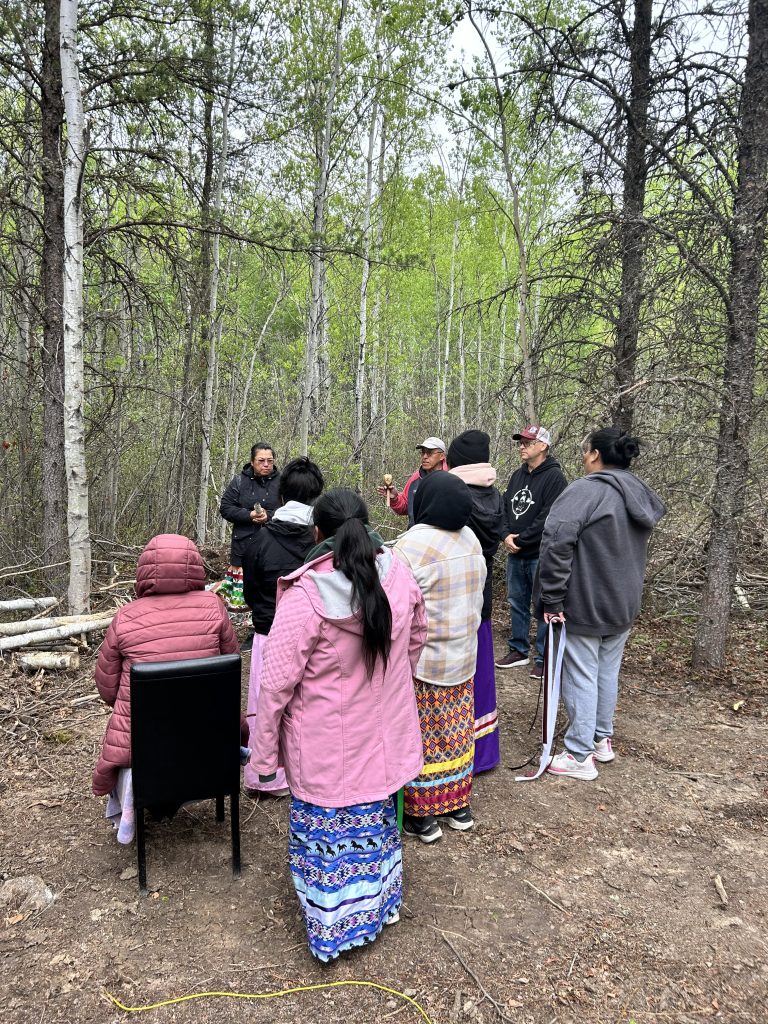
"Crisis is never expected but if it happens we are there"
We respond to crisis in a culturally relevant manner and empower regional people in communities to be part of the teams
The Crisis Response Team consists of 2 co-leads and trained health professionals who are available to provide appropriate and timely response in a major crisis or to deal with vicarious trauma for front line workers (security/medical drivers/safety officers/first line workers) in response to current crisis or to cumulative affects of trauma over time.
The crisis response teams are closely connected to the wellness program.
leadership and community driven
What is Crisis Response
We respond to crisis in a culturally relevant manner and empower regional people in communities to be part of the teams.
The crisis Response team is typically deployed based on a referral from the Health Director or Leadership. The Crisis Response Team does not deploy based upon a request from any single individual.
There is a clear difference between crisis response and mobile response. The Crisis response team serve four communities at the request of leadership, wellness workers, health, and includes prevention activities with people from community to develop community’s capacity to take care of their own.
Responsibility of the FARHA Crisis Response team
Crisis
Our first priority is responding to a call for debriefing and related support after a crisis in the communities from the Health Director, Chief and Council, Wellness/Prevention Manager or their designate.
Vicarious Trauma
Our other main task or responsibility is to provide crisis relief for vicarious trauma, usually among front-line staff in the various helping programs, including FNSO’s, Securities, and any group of frontline staff that is exposed to stressful and traumatic incidents.
FARHA's Role
FARHA backs up the crisis response team of each community. Each community handles their own crisis and FARHA's crisis response team goes out to support them
What is Vicarious Trauma?
- Typically front-line workers who are exposed to trauma as a regular part of their everyday work.
- Here, we can think about security officers at the nursing station, the medical drivers who pick up people for emergencies who are exposed to traumatic situations, the First Nation Safety Officers and even the front line wellness workers who regularly and repeatedly are exposed to traumatic events and they themselves experience vicarious trauma.
FAQ: Things We Want You To Know
If a person is in crisis, can they call the Crisis Response Team?
While individual support is also given, the Crisis Response team is not a Mobile Crisis Team. Our service is primarily a service to the communities, and directed to those who work on the front lines, and to those who are directly affected by Critical Incidents in the communities.
What about Island Lake Anisininew students living away from home at schools in Winnipeg or Cranberry Portage?
Because these students are still residents of the region, they ARE included in our service to the communities.
How do we reach the Crisis Response Team?
Usually the Wellness Managers, Health Directors, or Leadership already know and they reach out to someone at Four Arrows directly.
People can email otathskamakek@fourarrowsrha.org, but usually they call or message Andy Wood, Lionel Mason (204) 451-5620, Nelson Manoakeesick (204) 980-0055 or Darren Witzaney (204) 291-4272 directly.
They can also call Four arrows at (204) 947-2397 (ext. 125) or (866) 653-3441.
How to Contact Us
Usually the Wellness Managers, Health Directors, or Leadership already know and they reach out to someone at Four Arrows directly.
People can email otathskamakek@fourarrowsrha.org
Phone: Four arrows at (204) 947-2397 (ext. 125) or (866) 653-3441.